
• Home
  • Sustainable Upholstery Fabrics: Eco-Conscious Choices for Colorado Interiors

Sustainable Upholstery Fabrics: Eco-Conscious Choices for Colorado Interiors

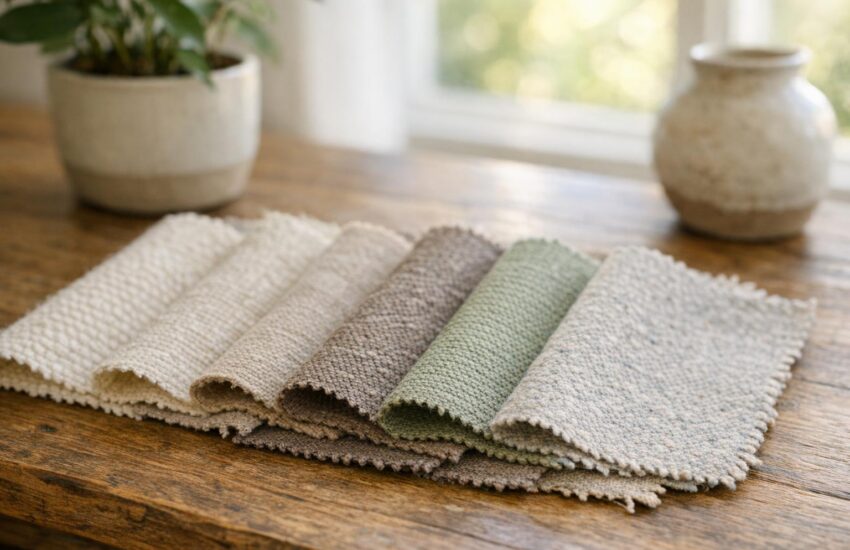
A selection of eco-friendly upholstery fabric swatches, including wool, linen, organic cotton, and recycled blends, arranged on a table with natural sunlight, symbolizing sustainable interior design choices for Colorado homes.

Green interiors that still feel luxe, livable, and built for real life

In Colorado homes, upholstery does a lot of work. It has to look beautiful in bright, high-altitude daylight, stand up to daily use, and ideally contribute to a healthier indoor environment. The good news: sustainable upholstery has grown far beyond “rustic” or “limited options.” Today’s eco-friendly fabrics can be soft, tailored, high-performance, and design-forward—especially when you know what to look for.

At Woven Window, we help homeowners and interior designers across Colorado choose textiles that support style, durability, and responsible sourcing—for upholstery projects, custom cushions, and coordinated window treatments that finish a room with intention.

What “sustainable upholstery” really means (beyond the label)

Sustainability in upholstery is rarely one single feature. A fabric can be “eco-friendly” because it’s made with lower-impact fibers, because it lasts longer and avoids frequent replacement, because it’s produced with safer chemistry, or because it supports circularity (recycled content, take-back programs, or reduced waste).

A practical way to evaluate eco-friendly fabrics for upholstery is to look at four pillars: fiber content, finishes/chemistry, certifications, and longevity. When those align with your lifestyle and design goals, you get “green interiors” that feel just as elevated as any high-end project.

Fiber choices that support sustainable, comfortable Colorado living

1) Wool (and wool blends): long-wearing and naturally performance-minded

Wool is often overlooked in residential upholstery, but it’s a strong contender for sustainable upholstery because it’s resilient (helps reduce crushing and wear) and offers naturally “performance” qualities like warmth, comfort, and inherent flame resistance—often with fewer chemical add-ons than some synthetics. It’s especially well-suited for tailored seating, benches, and accent pieces that get regular use.

2) Linen and linen blends: breathable texture that reads elevated

Linen’s relaxed texture plays beautifully with Colorado’s natural light. For upholstery, linen is commonly used in blends to improve abrasion resistance and reduce wrinkling. If you love a soft, organic look, linen-blend upholstery paired with layered window textiles (like soft drapery) creates a cohesive, grounded space.

3) Organic cotton: great for cushions, slipcovers, and casual comfort

Organic cotton can be an excellent option for homes aiming to reduce pesticide-intensive farming impacts. For upholstery, it’s often best in performance-constructed weaves, heavier weights, or blends—especially if you’re outfitting family rooms, breakfast nooks, or slipcovered seating.

4) Recycled content textiles (including recycled polyester): circularity with a reality check

Recycled fibers can reduce reliance on virgin inputs and support a more circular materials story. The key is choosing a textile that still meets your comfort expectations and holds up to abrasion. If you want recycled content but prefer a more natural hand-feel, ask for recycled blends engineered to feel less “slick” while staying durable.

Finishes matter: choosing “performance” without compromising healthier spaces

A fabric’s eco profile can change dramatically based on the chemical finishes added for stain resistance, water repellency, or “easy clean” performance. One category many homeowners are paying closer attention to is PFAS (a family of chemicals historically used for stain/water repellency in many textiles).

If you’re prioritizing sustainable upholstery and a more thoughtful indoor environment, consider requesting PFAS-free textile options and leaning into design strategies that still look pristine: textured weaves, heathered colorways, patterns that disguise minor wear, and removable cushion covers that can be professionally cleaned.

Pro design tip for real life:

For homes with kids, pets, or entertaining, “performance” can also mean construction—tight weaves, higher abrasion ratings, and smarter cushion inserts—not just a chemical topcoat.

A quick comparison table: eco-friendly fabrics for upholstery

Material
Why it’s a strong sustainable choice
Best for
Watch-outs
Wool / wool blends
Resilient, long life; naturally performance-leaning
Chairs, sofas, benches, commercial-friendly settings
Some weaves can feel “tailored”; confirm comfort + care
Linen / linen blends
Natural texture; pairs beautifully with layered textiles
Accent pieces, pillows, casual seating
Pure linen can wrinkle/relax; blends often perform better
Organic cotton
Lower-impact farming approach vs conventional cotton
Slipcovers, cushions, family-friendly spaces
Check abrasion + colorfastness; construction matters
Recycled content fabrics
Supports circularity; can be very durable
High-use rooms, rentals, multifamily, commercial
Confirm feel, breathability, and finish chemistry
Note: “Sustainable” depends on the full fabric story—fiber, finishes, certifications, and expected lifespan—not just one attribute.

Certifications to know when shopping for eco-friendly fabrics

Certifications can help you compare textiles more confidently—especially when you’re balancing aesthetics, performance, and a healthier home. While requirements vary, these labels often show up in more responsibly made upholstery and soft goods:

GOTS (Global Organic Textile Standard)

Commonly associated with organic natural fibers and stricter processing standards.
GRS (Global Recycled Standard)

Often used for textiles with verified recycled content and additional supply chain criteria.
OEKO‑TEX (including STANDARD 100 / MADE IN GREEN)

Frequently referenced for textile safety testing and more transparent production pathways, depending on the label.
GREENGUARD (including GREENGUARD Gold)

Often used to indicate lower chemical emissions for indoor air quality considerations.
Designer-friendly approach:

Bring your “must-haves” to the first selection meeting—pet-friendly, low-VOC preference, high abrasion, PFAS-free request, or organic content—so your fabric shortlist starts aligned with your priorities.

How upholstery and window treatments work together for greener interiors

Sustainability isn’t only about what a fabric is made of—it’s also about how your home performs. Pairing the right upholstery with the right window treatments can reduce glare, protect textiles from UV fading, and improve comfort through better light and temperature control.

If your goal is a room that feels calm and tactile (a major direction in 2026 interiors), consider layering textures intentionally: a durable woven upholstery, a natural-feeling shade, and soft drapery for acoustic comfort. If you’re curious about tailored, fabric-forward shading options, explore Roman shades for a polished look that plays well with sustainable textiles.

For upholstery-specific projects—like custom bench cushions, banquette seating, or refreshed furniture—our fabric & upholstery services can help you coordinate a whole-room palette that looks cohesive, not “piecemeal.”

Colorado angle: what to prioritize in our climate and light

Colorado’s elevation and sunshine can be stunning—and tough on interiors. Here’s what we often recommend prioritizing for upholstery and soft goods across the Front Range and mountain communities:

UV and fade management

Consider solar shades or lined drapery to reduce direct UV exposure on seating and pillows. This protects your investment and extends fabric life—one of the simplest sustainability wins.
Texture that holds up in bright natural light

Subtle weaves, bouclé-like textures, and heathered solids read rich (not flat) when the sun hits them—perfect for “warm minimal” Colorado interiors.
Year-round comfort

Upholstery choice matters, but window treatments do heavy lifting for comfort. Proper shades and drapery can support temperature balance and glare control—especially on large, south-facing glass.

Ready to build a fabric plan that’s beautiful and genuinely eco-conscious?

Whether you’re refreshing a single chair or coordinating upholstery with custom shades and drapery throughout your home, our team can help you compare eco-friendly fabrics, understand performance tradeoffs, and create a cohesive design that fits Colorado living.

FAQ: Sustainable upholstery & eco-friendly fabrics

What is the most sustainable upholstery fabric?

The “most sustainable” option depends on your goals. If longevity is top priority, a highly durable fabric (often wool or a well-engineered blend) that lasts years longer can reduce waste. If chemical sensitivity is a concern, certifications and PFAS-free options may matter more than the fiber alone.

Are eco-friendly fabrics durable enough for everyday family rooms?

Yes—when you match the textile construction to the use case. Ask about abrasion performance, weave tightness, and cleanability. Many sustainable upholstery options are designed specifically for high-use settings.

Do “stain-resistant” fabrics always contain PFAS?

Not always. Some performance textiles use alternative chemistries or rely more on weave structure and fiber properties. If you want to avoid PFAS, request PFAS-free textiles and confirm what finish is being used.

How can I keep upholstery looking fresh without harsh chemicals?

Choose mid-tone or textured weaves that disguise minor marks, use washable/removable cushion covers when possible, vacuum regularly with an upholstery attachment, and schedule professional cleaning when needed. Good window treatments can also reduce sun damage and fading.

Can Woven Window help with upholstery and coordinating window treatments?

Yes. We help clients select fabrics that coordinate across upholstery, cushions, and soft window treatments—then support the project with fabrication and professional installation where needed. Start with our custom upholstery, cushions, and bedding services if you’re planning a refresh.

Glossary

PFAS: A group of chemicals historically used to make textiles stain- and water-repellent; many homeowners seek PFAS-free options for a healthier materials approach.
Abrasion rating: A measure of how well a fabric resists wear from rubbing—important for sofas, dining banquettes, and high-use seating.
Recycled content: Fibers made from reclaimed materials (such as recycled plastics) used to reduce demand for virgin inputs.
GOTS: A certification commonly associated with organic textiles and more stringent processing standards.
OEKO‑TEX: A family of textile labels often used to indicate safety testing and/or more transparent manufacturing, depending on the specific OEKO‑TEX certification.

Categories:

Call us now!