
• Home
  • Deep Cleaning Wallpaper: Tips to Keep Decorative Walls Pristine

Deep Cleaning Wallpaper: Tips to Keep Decorative Walls Pristine

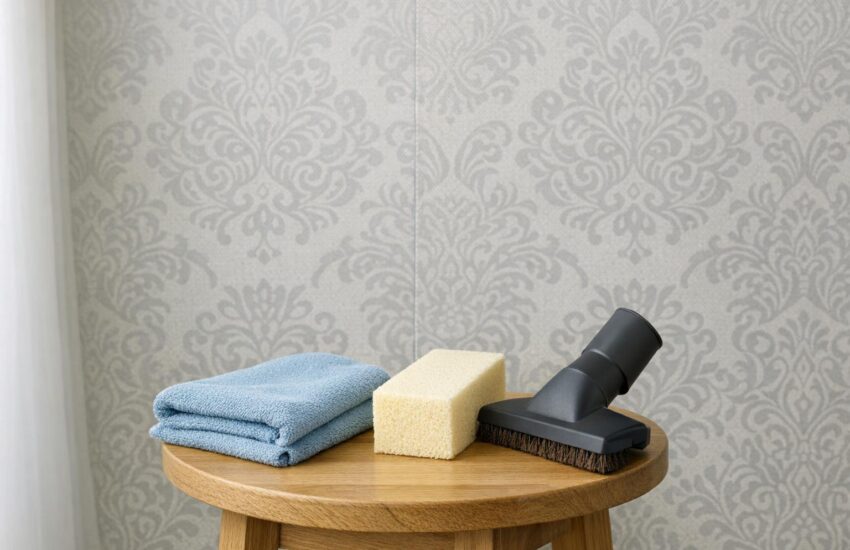
Professional stock photo featuring patterned wallpaper, a microfiber cloth, cleaning sponge, and vacuum brush on a stool next to the wall, emphasizing wallpaper cleaning tools and care in a clean, modern interior without people.

A safer, smarter way to clean wallpaper—without dulling color or lifting seams

Wallpaper is one of the fastest ways to add depth, pattern, and personality to a room—but it’s also a finish that deserves the right kind of care. The best results come from a simple principle: identify the wallpaper type first, then clean with the gentlest method that gets the job done. At Woven Window, we help Colorado homeowners and designers choose materials that look beautiful and live well—then keep them looking that way.

Step one: Know what’s on your wall (because “wallpaper” isn’t one material)

The cleaning method that’s perfect for a vinyl wallcovering can permanently stain a natural fiber wallpaper. Before you wet a cloth, do a quick check:

Quick wallpaper “type” clues
Vinyl / vinyl-coated
Often has a slight sheen; typically the most washable and forgiving.
Non-woven
Common in newer wallpaper; frequently washable, but still benefits from gentle methods.
Grasscloth / natural fibers / textile wallcoverings
Beautiful texture, but usually not a candidate for wet cleaning—dry care only.
Uncoated paper (traditional)
Delicate; generally needs dry dusting only.

When in doubt, follow the manufacturer’s care notes. Industry groups also emphasize checking product guidance first—wallcoverings vary widely in finish and cleanability.

The goal of “deep cleaning” is usually dust removal + gentle spot work

Most wallpaper doesn’t need aggressive scrubbing to look fresh. In real homes, the buildup you’re seeing is typically:

• Airborne dust (especially near return vents, baseboards, stairways, and picture ledges)
• Fingerprints (hallways, powder rooms, kids’ rooms)
• Cooking residue (kitchens, open-concept great rooms)
• Splash marks (bathrooms, laundry areas, mudrooms)

Quick “Did you know?” facts for longer-lasting wallpaper

Did you know? Cleaning with the seam direction (usually up/down) helps reduce the chance of lifting edges.
Did you know? For delicate papers, a dry cleaning sponge can lift grime without moisture.
Did you know? Grasscloth and many textile wallcoverings can water-spot permanently—dry vacuuming with a brush attachment is the safer routine.

How to deep clean wallpaper (the safe step-by-step)

1) Prep the room (2 minutes that prevent a mess)

Move furniture a few inches off the wall, lay a towel under the area you’re cleaning, and turn on a fan or open a window for airflow—especially if you’re using any cleaner at all. Good ventilation helps keep indoor air fresher while you clean.


2) Dry clean first (always)

Dust from the top down using a microfiber cloth, a soft duster, or a vacuum with a clean brush attachment. This step prevents “muddy streaks” when you introduce moisture later.


3) Patch test before any wet cleaning (non-negotiable)

Pick a hidden spot (behind a door, near a corner). Dampen a cloth with plain water and lightly wipe. If color transfers, texture changes, or seams lift—stop and switch to dry methods only.


4) For washable wallpaper (often vinyl or some non-woven): use “barely soapy” water

Mix a small amount of mild dish soap into warm water. You want a solution that lifts oils without leaving residue.

Technique that protects seams:
• Wring your cloth well—damp, not wet.
• Wipe with seams (usually vertical strokes).
• Clean one small section at a time, then follow with a second cloth dampened with clean water to remove soap, and dry with a soft towel.
 

5) Spot-cleaning common marks (without escalating too fast)

Start with the gentlest option and only move up if your patch test stays clean.

Fingerprints / light smudges: damp microfiber + a drop of mild soap (washable types only).
Scuffs: try a dry cleaning sponge first; avoid abrasive scrubbers.
Grease near kitchens: multiple gentle passes beat one aggressive scrub. Rinse lightly and dry.

Skip harsh solvents, strong bleach mixtures, and “miracle” cleaners—these can strip coatings, fade ink, or weaken adhesive at the seams.

Quick comparison table: what’s safe for your wallcovering?

Wallpaper type Routine care Deep-clean approach Avoid
Vinyl / vinyl-coated Dust or vacuum brush Damp cloth + mild soapy water; rinse & dry Abrasive pads; over-wetting seams
Non-woven (varies by finish) Dry dust weekly Patch test; light damp wipe if rated washable Solvents; aggressive rubbing
Grasscloth / natural fiber Vacuum brush gently Dry methods only; spot dust carefully Water, steam, wet cloths
Uncoated paper (traditional) Microfiber dusting Dry cleaning sponge (gentle) Water, detergents, scrubbing
Tip: If you don’t know the wallpaper type, default to dry cleaning methods and reach out for guidance.

What “professional-looking” wallpaper maintenance really means

Deep cleaning isn’t a single big event—it’s a rhythm. For most Colorado homes, a simple schedule works well:

Weekly: quick microfiber dusting (especially textured patterns).
Monthly: vacuum brush pass on grasscloth/textures; check seams near doors and switches.
Seasonally: patch-test and spot-clean washable wallpaper; refresh high-touch areas like hallways and powder rooms.

A Colorado angle: dry air, strong sun, and high-traffic living

Across Colorado, homes often deal with a mix of sunshine, dust, and seasonal dryness. That can mean more airborne particles settling on textured wallcoverings—and more UV exposure near south- and west-facing windows. To keep wallpaper looking crisp:

Pair wallpaper with smart light control: solar shades or lined drapery can reduce glare and help protect color.
Prevent “track marks”: dust around HVAC returns and doorways regularly so grime doesn’t settle into texture.
Be extra cautious in ski-season entry zones: mudrooms and hallways get more scuffs—choose more cleanable finishes in these areas when possible.
Helpful Woven Window resources
Wallpaper services for selecting materials that match the way you live.
Window treatment services to help manage UV, glare, and heat gain near decorated walls.
About Woven Window and our Colorado-based design + fabrication approach since 1999.

Want help choosing wallpaper that’s easier to maintain?

If you’re planning a new wallcovering moment—or trying to solve a “this room always looks dusty” issue—our team can help you pick the right finish, texture, and complementary window treatments for the space.

FAQ: Cleaning wallpaper & decorative wall care

How can I tell if my wallpaper is washable?
Look for product notes (often on leftover label/roll, installer documentation, or manufacturer specs). If you don’t have that, do a small patch test with plain water in a hidden area. If you see color transfer, softening, or seam lift, stick to dry methods.
Can I use a Magic Eraser or abrasive sponge on wallpaper?
It’s risky. Abrasives can dull coatings, remove ink, and create “polished spots,” especially on matte or textured prints. Try a dry cleaning sponge first, then a gentle damp cloth only if the wallpaper is rated washable and your patch test is successful.
Why do my wallpaper seams look darker after cleaning?
That’s often moisture wicking into seams or leftover soap residue catching dust. Use less water, wipe with the seam direction, rinse with clean water on a separate cloth, and dry immediately with a lint-free towel.
What’s the best routine for grasscloth wallpaper maintenance?
Keep it dry: vacuum gently with a clean brush attachment and dust with microfiber. Avoid wet cleaning—many natural fiber wallcoverings can water-spot permanently.
How do I reduce fading on wallpaper near sunny windows in Colorado?
Add UV-managing window treatments (like solar shades) and consider lined drapery where you want a softer look. Also keep dust down; particles can “bake” onto surfaces over time in strong sun.

Glossary

Vinyl-coated wallpaper
Wallpaper with a protective vinyl layer that typically makes it more washable and stain-resistant.
Non-woven wallpaper
A modern wallpaper category often made from a blend of natural and synthetic fibers; many are durable and easier to install/remove than traditional paper.
Grasscloth
A natural fiber wallcovering with visible texture. It’s prized for warmth and dimension, but usually requires dry-only care.
Patch test
Testing a cleaning method in a hidden area first to confirm it won’t fade color, damage texture, or lift seams.

Categories:

Call us now!