
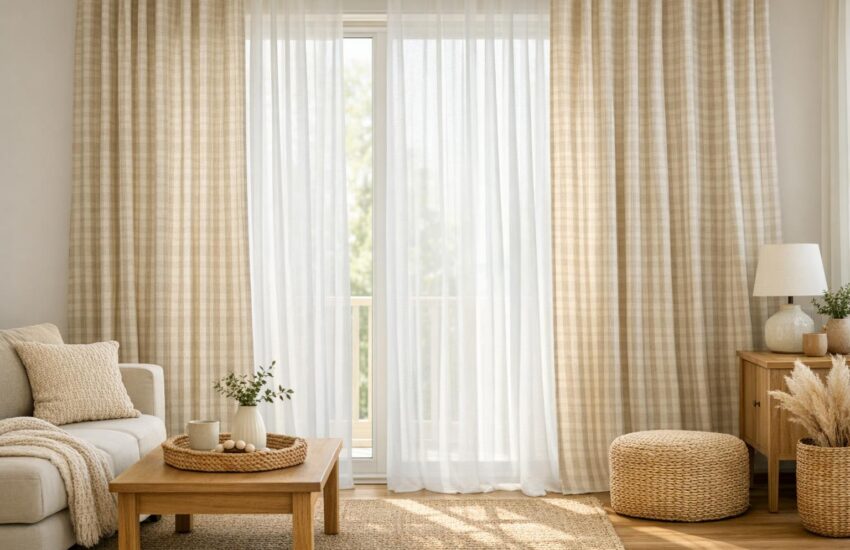
Lightweight curtains, brighter rooms, and patterns that feel current (not fussy)
Spring in Colorado tends to arrive with longer days, stronger sun, and bigger temperature swings—exactly when the right drapery fabric matters most. A thoughtful spring refresh doesn’t have to mean replacing everything. With a few smart fabric and pattern choices, your windows can feel lighter, cleaner, and more tailored to how you actually live—whether you’re a homeowner updating one room or a designer finishing a full-home project.
What “spring drapery” really means (and why fabric choice changes everything)
Spring drapery isn’t a single style—it’s a combination of hand feel (lighter, breathable textiles), performance (UV management and privacy), and visual energy (patterns and colors that brighten a space). In recent seasonal styling, designers are leaning toward relaxed, livable pattern languages—think stripes, spots, and ginghams—rather than predictable florals for every spring refresh. That makes drapery feel updated while staying timeless enough to live with year-round.
The most common mismatch we see: choosing a fabric solely for the look, then realizing it doesn’t drape well, it fades quickly, or it doesn’t give enough privacy in strong daylight. The good news is that “lightweight curtains” can still be substantial—especially when you use proper linings, interlinings, or layered treatments.
Best spring drapery fabrics for an airy feel (without looking flimsy)
If you want your windows to feel bright and open, start with fabrics that naturally soften light and move well. These are reliable spring-forward options that work in both modern and traditional interiors:
| Fabric | Look & drape | Best for | Notes for Colorado light |
|---|---|---|---|
| Linen / linen-blends | Matte, textured, tailored but relaxed | Living rooms, bedrooms, modern organic interiors | Consider lining to reduce fading and improve privacy |
| Cotton / cotton-blends | Clean, versatile, easy to style | Casual dining, family rooms, kids’ spaces | Great for prints; add UV lining in high-sun rooms |
| Sheers (voile, lightweight linen sheers) | Soft light diffusion, airy movement | Layering, privacy without darkness | Ideal for bright days; pair with a second layer for night |
| Performance fabrics (fade/stain resistant) | Polished, durable, often matte | Kitchens, rentals, high-traffic homes | Excellent for strong UV and everyday messes |
A practical spring approach that’s trending: layering a sheer with a more functional drapery layer. This gives you daytime glow and nighttime privacy, plus better control over heat and glare when the sun gets intense.
Trending patterns for spring: fresh, relaxed, and surprisingly versatile
If your goal is “spring energy” without a theme-y makeover, patterns do the heavy lifting. Current pattern direction is leaning into easy, cheerful motifs—the kind that feel curated but not precious.
Stripes (pinstripe to cabana)
Stripes read crisp and architectural, especially in linen or cotton. Use narrow stripes for calm sophistication; go bolder in sunrooms, breakfast nooks, or playful bedrooms.
Gingham & small checks
“Picnic dressing” is showing up in home textiles: checks, gathered details, and softer silhouettes. In neutral colorways, gingham can feel tailored rather than cottage.
Botanical prints (less literal)
Instead of “big spring florals,” look for leaf studies, abstract botanicals, or watercolor-style prints. They bring softness while keeping the room modern.
Dots, spots, and micro-geometrics
Small-scale patterns add movement without dominating your furnishings. They’re a strong fit for layered looks (sheer + drape) or when your rug/upholstery is already bold.
Color-wise, warm, earthy tones and softened neutrals continue to be popular—think warm browns, terracotta-leaning accents, and deeper greens—because they pair well with natural textiles like linen and woven textures.
How to pick lightweight curtains that still deliver privacy and UV control
“Lightweight” shouldn’t mean “see-through at night” or “sun-bleached by July.” Use this framework to choose confidently:
Step-by-step: a spring-ready selection checklist
1) Decide what you need most: light diffusion, glare reduction, privacy, insulation, or all of the above. Your “must-have” determines whether you need a lining, a dual-layer approach, or a shade + drapery combination.
2) Choose your base fabric first: linen/linen-blends for texture; cotton for clean versatility; sheers for daylight softness; performance blends for busy rooms.
3) Match pattern scale to the room: small patterns suit smaller windows and layered furniture; larger patterns need breathing room (simpler rugs, quieter upholstery).
4) Plan for strong sun: south- and west-facing windows often benefit from protective linings or pairing drapery with a shade that manages UV and heat.
5) Get the “hang” right: mount high and wide when possible. A fuller drape (more fabric) often looks more luxurious, even when the textile itself is lightweight.
6) Confirm how you’ll clean it: if it’s near a kitchen, pets, or kids, choose materials and finishes that can handle real life without stress.
Want a tailored spring refresh with minimal change? Keep your hardware and swap only the panels (or add a sheer layer). The room reads instantly brighter—without remodeling.
Colorado-specific considerations: altitude sun, variable temps, and indoor-outdoor living
Across Colorado—especially along the Front Range—sun can feel intense, even when temperatures are mild. If you’re refreshing drapery for spring, it helps to think beyond “pretty fabric” and plan for:
UV exposure & fading
Consider linings and performance textiles for high-sun rooms—especially if you’re investing in artisan-made drapery or statement patterns.
Temperature swings
A “light” look can still be insulating. The right lining helps reduce drafts at night while keeping the daytime mood airy.
Patios and sliding doors
If you’re opening doors more often in spring, prioritize fabrics that glide smoothly and stand up to frequent handling.
For Denver-area homes and mountain-adjacent properties alike, a layered plan (sheer + drape, or shade + drape) is one of the most reliable ways to get both the spring look and the day-to-day functionality.
Ready to refresh your windows for spring?
Woven Window has been designing and fabricating custom window treatments in Colorado since 1999. If you want help narrowing down spring drapery fabrics, lightweight curtain options, and trending patterns that fit your home (and your sunlight), our team can guide you from selection to professional installation.
Schedule a Design Consultation
Prefer to start with inspiration? Explore our custom drapes and luxury curtains, or pair drapery with solar shades for glare control.
FAQ: Spring drapery fabrics, lightweight curtains, and patterns
What’s the best lightweight fabric for spring curtains?
Linen and linen-blends are a favorite for spring because they feel breathable and look elevated, even in simple solids. Cotton blends are another strong choice if you want crisp structure or printed patterns. If you want maximum daylight softness, add a sheer layer (voile or lightweight linen sheer) and keep a functional drape for evenings.
Are sheer curtains enough for privacy?
During the day, sheers can provide comfortable privacy while still letting in light. At night, interiors are often visible when lights are on. If nighttime privacy matters, plan on layering with drapery, adding a lining, or pairing with a shade.
What patterns feel “spring” without looking seasonal?
Stripes, small checks (including gingham), micro-geometrics, and relaxed botanicals bring freshness without locking you into a holiday or seasonal theme. They also mix well with Colorado’s popular natural textures—woods, stone, and woven materials.
How do I keep spring drapery from fading in bright Colorado sun?
Use quality linings, consider performance textiles in high-sun spaces, and add shades where glare is strongest. South- and west-facing windows often benefit from a layered plan so you can protect the fabric without sacrificing the airy look.
Should I choose drapery first or shades first?
If your top priority is light/heat control, start with shades (for example, solar shades for glare management) and select drapery for softness and style. If the room already has good light control, start with drapery fabric and choose any additional layers afterward.
Do lightweight curtains still look luxurious?
Yes—luxury is usually about proportion and construction: proper fullness, precise lengths, quality headers, and professional installation. A lightweight fabric can look high-end when it’s made and hung correctly.
Glossary
Lining
An additional fabric layer sewn behind drapery to improve privacy, body, UV protection, and longevity.
Interlining
A hidden layer between the face fabric and lining that adds softness, insulation, and a richer drape (often used for higher-end custom work).
Fullness
How much fabric is used relative to the window width. More fullness typically creates a more tailored, luxurious look and better stack-back.
Sheer
A lightweight, semi-transparent curtain fabric designed to diffuse daylight while maintaining an airy appearance.
