
A safer window starts with the product choice—and ends with a professional install
Families and design professionals across Colorado are prioritizing child-safe shades for nurseries, playrooms, and any space where little ones spend time. The good news: modern window coverings have come a long way. Today’s best solutions pair cordless blinds (or motorized options) with secure installation details that prevent hazards, protect your finishes, and keep day-to-day operation smooth. This guide breaks down what “child-safe” really means, what to look for when shopping, and how proper installation makes a measurable difference.
Why cord safety still matters (even with “newer” window treatments)
Window covering cords have been a long-standing safety concern because accessible cords can form hazardous loops. In response, the industry has moved strongly toward cordless and cord-inaccessible designs. For stock products, a major safety standard took effect in late 2018 that pushed most off-the-shelf coverings toward cordless or cord-inaccessible designs. For custom products, updated guidance and requirements have continued to strengthen expectations around eliminating free-hanging cords and improving safety-device performance and instructions.
Practically speaking, that means your best plan is simple: replace older corded coverings when you can, and when cords or chains exist (such as certain shade styles), ensure the product includes the right safety devices and that those devices are installed correctly.
What “child-safe” means in real homes
“Child-safe” isn’t just a label—it’s a combination of design, placement, and install quality. Here’s what to prioritize:
1) No accessible operating cords
Choose cordless lift systems or motorization whenever possible. If a product uses a chain/loop (common with some roller and solar shades), it should be paired with a properly installed tension device that keeps the loop taut and reduces hazard potential.
2) Hardware anchored to the right structure
Secure installation means mounting into studs or using the correct anchors for drywall, plaster, masonry, or tile. A shade that’s perfectly safe by design can become unreliable (or even dangerous) if it pulls loose.
3) Safer room layout around windows
Even with cordless products, keep cribs, beds, and climbable furniture away from windows whenever possible. This reduces fall risks and discourages kids from tugging on treatments.
Best child-safe options (and where they shine)
The most effective solutions balance safety, durability, and daily ease. These are popular choices for Colorado homes:
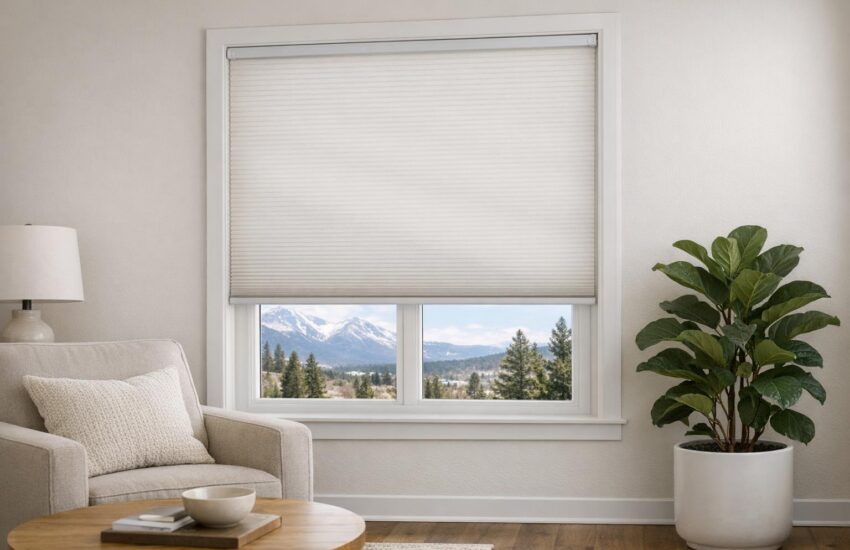
Cellular (honeycomb) shades: Great for energy efficiency and comfort, especially in bedrooms and nurseries.
Roman shades: A tailored, soft look that pairs well with layered drapery; best when built with a cordless or motorized lift.
Faux wood or wood blinds: Classic styling; choose cordless lift systems for kid-friendly operation.
Solar shades: Ideal for glare control and UV protection—especially useful with Colorado’s strong sunshine at higher elevation.
Motorized shades and blinds: The simplest day-to-day safety upgrade: no cords to manage, and easy control for hard-to-reach windows.
Step-by-step: How a secure installation supports child safety
When your goal is safety, installation details matter just as much as the product. Here’s a practical checklist used by experienced installers:
1) Confirm the mounting method (inside vs. outside)
Inside mounts look clean and reduce protrusions, but require precise measurements and sufficient depth. Outside mounts can improve light gap coverage and may be better for certain window conditions (shallow frames, uneven surfaces, or older trim).
2) Anchor brackets correctly
Brackets should be secured into studs whenever possible. If studs aren’t available, installers select the correct anchor for the wall type. This prevents loosening over time—especially important for frequently used shades and larger windows.
3) Install and test safety devices (when applicable)
If a shade uses a continuous loop chain, the tension device must be installed at the correct height and tension to keep the loop taut. Proper placement and testing helps ensure safe, reliable operation.
4) Verify smooth operation and alignment
Sticking shades and misalignment can encourage tugging (by adults and kids alike). A careful final adjustment reduces wear and keeps the system operating as designed.
Quick comparison table: Child-safe choices by room
| Room | Top child-safe picks | Why it works | Design note |
|---|---|---|---|
| Nursery / Kids’ bedroom | Cordless cellular shades, motorized roller shades | No accessible cords; easy daily use for naps and bedtime | Consider blackout lining for sleep routines |
| Playroom / Family room | Cordless faux wood blinds, motorized shades | Durable surfaces; safer operation in high-traffic spaces | Layer with drapery for softness and sound comfort |
| Home office / Study | Solar shades (cordless/motorized where possible) | Cuts glare on screens; helps protect interiors from UV | Choose openness based on view vs. glare needs |
| Patio / Sliding doors | Panel track options, drapery, or appropriate blind/shade systems | Better control for large openings; reduced tangling and snagging | Prioritize smooth stacking and walk-through clearance |
Tip: If you’re updating multiple rooms, start with spaces where children sleep or play, then address any older corded coverings throughout the home.
Colorado-specific considerations: sun, altitude, and comfort
Colorado’s high elevation can mean stronger sun exposure—especially on south- and west-facing windows. For families, that often creates a blend of priorities: reduce glare for daytime play, protect floors and furnishings, and keep rooms more comfortable during warm spells.
Solar shades and cellular shades are popular for this exact reason—solar shades help manage glare and UV while preserving a view, and cellular shades add insulation that can help with comfort in both winter and summer. If you want a polished, designer finish, layering a shade with custom drapery can soften the room while keeping daytime operation simple and child-friendly.
Ready for child-safe shades with a clean, finished look?
Woven Window has been serving Colorado since 1999 with design-forward, custom solutions—paired with professional measurement and installation so your coverings look beautiful and operate safely. If you’re replacing older corded treatments or designing a nursery from scratch, we’ll help you choose options that fit your home and your daily routine.
Prefer to learn about our process first? Meet Woven Window.
FAQ: Child-safe window coverings
Are cordless blinds and shades always the safest choice?
Cordless and motorized options remove accessible operating cords, which is the primary hazard. When a product style uses a loop/chain, correct safety devices and a secure install become essential.
Can I keep my existing corded window coverings if I add a safety device?
Sometimes a retrofit can reduce risk, but it may not provide the same level of protection as replacing older corded products with cordless or motorized designs. If you have small children in the home, replacement is often the clearer, safer path.
Do cordless systems work well on larger windows?
Yes—many modern cordless systems are designed for everyday use, and motorization can be an excellent upgrade for large, tall, or frequently adjusted windows.
What does “secure installation” mean for child safety?
It means brackets and devices are properly anchored for your wall type, aligned for smooth operation, and safety components (if applicable) are installed and tested so they function as intended.
Which styles are popular for nurseries in Colorado?
Cordless cellular shades (for comfort and sleep) and cordless/motorized roller shades (for clean lines and easy light control) are frequent favorites—often paired with soft drapery for a finished look.
Glossary
Continuous loop cord / chain: A loop used to raise/lower some shades or tilt certain blinds. When present, it should be paired with a properly installed tension device to keep the loop taut.
Cordless lift: A shade/blind operating system that raises and lowers without accessible cords.
Inside mount: A window covering installed within the window frame for a streamlined look.
Outside mount: A window covering installed on the wall/trim above and around the window to increase coverage and reduce light gaps.
Openness factor (solar shades): A measure of how much light/view a solar shade fabric allows. Lower openness usually means more glare control and privacy; higher openness often preserves more view.
Tension device: A safety component used with certain loop/chain-operated products to keep the chain tight and reduce the chance of a hazardous loop forming.
